
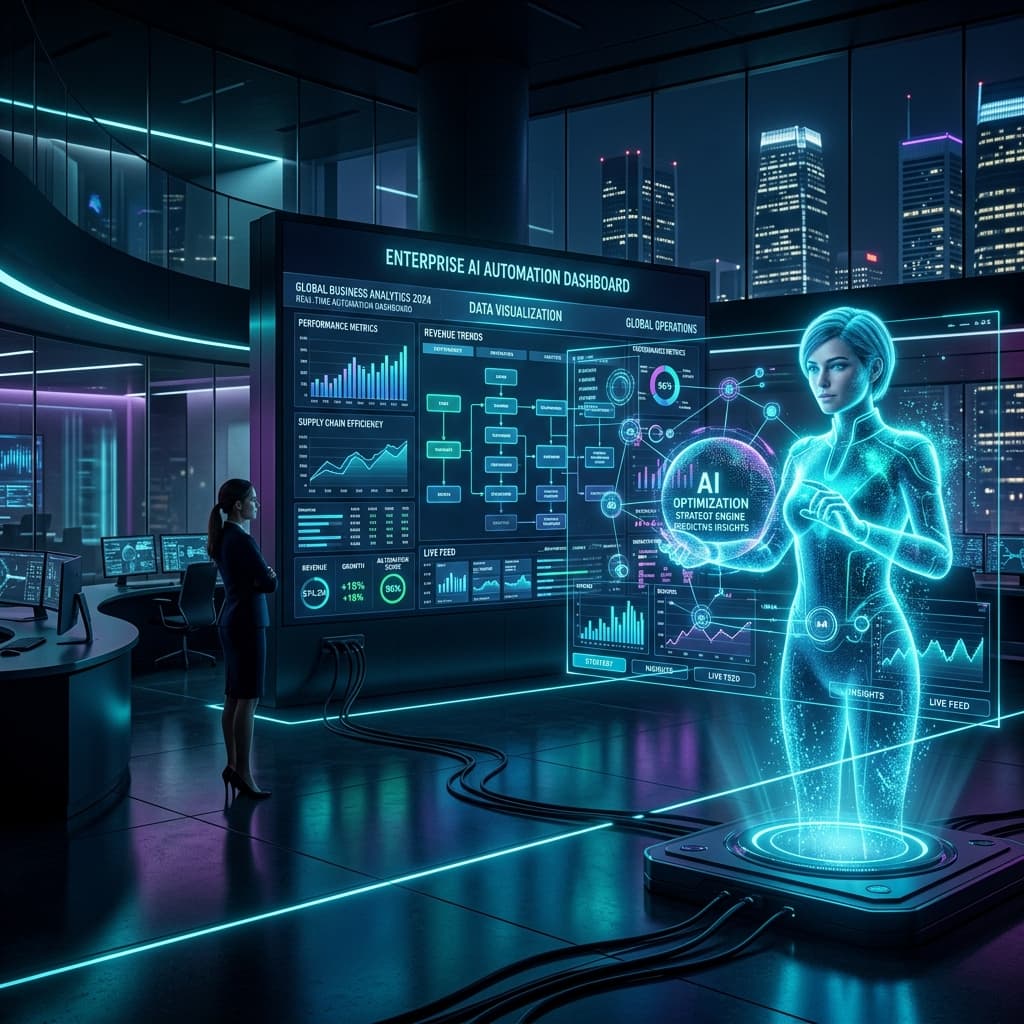
- Interactive Digital Product Visualization: Enables shoppers to explore products, luxury watches, jewellery, and accessories digitally on interactive screens.
- Computer Vision & AI Optics: Utilizes camera tracking and optical rendering to present digital product overlays in physical retail environments.
- Active Development R&D Roadmap: HS Global AI is actively developing real-time garment fitting capabilities as part of its DIHUAVA platform technology roadmap.
- Multi-Environment Deployment: Designed for integration across smart mirrors, interactive kiosks, 6 cm Spatial Displays, and 3D Hologram Boxes.
What Is Virtual Try-On Technology?
In modern commercial retail, engaging customers and delivering memorable in-store experiences requires moving beyond static 2D product imagery and traditional printed catalogues. Virtual Try-On technology represents an evolution in interactive shopping, combining computer vision, 3D asset rendering, and digital displays to allow customers to visualize products digitally.
Unlike conventional product photography or video loops, Virtual Try-On creates an interactive visual layer where customers can view products, explore luxury accessories, or observe high-definition product models in real time. Deployed across interactive smart mirrors or [AI Digital Humans in Retail](/industries/retail), this technology bridges physical storefronts with digital product exploration. Discover how [AI in retail is transforming physical customer experiences](/blog/how-ai-in-retail).
How Does AI Virtual Try-On Work?
At a conceptual level, Virtual Try-On unites optical sensing, digital asset management, and customer-facing visual displays to deliver interactive retail experiences.
1. Camera and Computer Vision
The system utilizes real-time camera tracking and computer vision optical processing to detect viewer position, head orientation, or physical placement in front of the display. This camera input enables the software to align digital product overlays with the viewer's reflection or visual perspective.
2. Digital Product Assets
High-definition 3D models and digital asset layers represent physical products—such as luxury timepieces, jewellery, eyewear, or accessories. These digital assets are rendered dynamically on screen, allowing viewers to inspect details from multiple angles.
3. Interactive Customer Experience
Shoppers interact with the display using multi-touch glass panels, visual gesture controls, or spoken dialogue powered by conversational AI. This turns passive browsing into an active, self-guided product discovery experience.
High-Impact Retail Applications
1. Apparel & Garment Virtual Fitting (Active R&D Roadmap)
HS Global AI is actively evaluating real-time garment fitting capabilities as part of its retail technology R&D roadmap. This workstream aims to evaluate real-time cloth rendering and garment overlay onto customer reflections, enabling shoppers to preview fashion outfits digitally.
2. Jewellery & Watch Showcases
Visualizing luxury watches, rings, necklaces, and high-end accessories is a strong documented application. Customers can view high-precision 3D renderings of luxury timepieces and jewellery overlaid on interactive displays, comparing styles without requiring staff to unlock physical security cases for every item.
3. Interactive Smart Mirror Experiences
Smart mirror installations combine reflective glass with high-brightness digital display panels. As shoppers stand in front of the mirror, digital product information, complementary style suggestions, and visual overlays appear seamlessly over their reflection.
4. Interactive Product Demonstrations
Beyond personal accessories, digital product visualization allows retailers to demonstrate complex electronics, luxury goods, and custom products in high definition. Avatars can walk shoppers through product features, specs, and color options.
Virtual Try-On for Jewellery, Watches and Accessories
Luxury retail environments—such as high-end watch boutiques, jewellery showrooms, and accessory stores—benefit significantly from digital product visualization.
- High-Definition Detail: Showcase intricate watch movements, gemstone facets, and fine metal textures in crisp volumetric detail on [AI Spatial Displays](/products/spatial-display).
- Inventory Exploration: Allow customers to browse complete color variations, strap materials, and limited-edition collections that may not be physically present on the showroom floor.
- Interactive Comparison: Compare multiple watch models or jewellery pieces side-by-side on interactive touch surfaces before making a final selection.
Learn more about our core display hardware on the [Products Overview](/products) page or download hardware datasheets in our [download center](/contact/download-center).
Elevate Your Enterprise with On-Device Digital Humans
Experience Low Latency voice dialogue and 100% data privacy on your physical hardware. Book a live walkthrough with our enterprise AI engineering team.
Virtual Try-On vs. Traditional Product Visualization
| Category | Traditional Product Visualization | AI Virtual Try-On Technology |
|---|---|---|
| Visual Media | Static 2D photos & pre-recorded video loops | Dynamic 3D product overlays & interactive scenes |
| Customer Engagement | Passive viewing from fixed distance | Active touch, voice, and perspective-driven interaction |
| Inventory Accessibility | Limited to physical items on store racks | Digital access to complete catalog and customization options |
| Deployment Interfaces | Standard television screens & poster frames | Smart mirrors, Spatial Displays, and 3D Hologram Boxes |
| AI Assistant Integration | None (separate static display) | Complemented by conversational AI Digital Humans |
Where Can Virtual Try-On Be Deployed?
Interactive product visualization technology can be integrated into diverse physical customer touchpoints across HS Global AI's broader retail hardware architecture:
- Interactive Smart Mirrors: Refinement mirrors in fashion boutiques and department stores.
- Standalone Retail Kiosks: Self-service product discovery stations positioned in high-traffic shopping mall corridors.
- Ultra-Slim Spatial Displays: Featuring a slim 6 cm body profile and 4K resolution on [AI Spatial Displays](/products/spatial-display) for luxury showcases.
- Optical Hologram Enclosures: Life-size 3D optical stages using the [3D Hologram Box](/products/holographic-display) for high-impact brand ambassador presentations.
How DIHUAVA Relates to Virtual Try-On
[DIHUAVA](/products/ai-digital-human) is HS Global AI's AI Digital Human software platform. While DIHUAVA primarily powers natural speech recognition, 2D/3D avatar animation, and local document RAG, Virtual Try-On represents an active development capability within the platform's retail R&D roadmap.
In an integrated retail deployment, a DIHUAVA AI Digital Human can complement Virtual Try-On experiences by:
- Greeting arriving shoppers with spoken welcome messages.
- Answering questions about product specifications, pricing, and availability.
- Recommending complementary items and matching accessories.
- Guiding customers through interactive touch options in 29+ Global Languages.
The Role of AI and Computer Vision in Interactive Retail
Computer vision and artificial intelligence serve as foundational building blocks for next-generation interactive retail:
1. Optical Recognition: Cameras detect customer presence and movement to trigger interactive welcomes. 2. Perspective Alignment: Software adjusts 3D digital asset positioning relative to viewer camera distance. 3. Conversational Intelligence: Natural language models enable natural voice interaction for product discovery. 4. On-Device Reliability: Local processing ensures Low Latency response fluidity during peak shopping hours.
Privacy and Data Considerations
Camera-based retail displays and interactive kiosks require responsible privacy practices:
- Local Visual Processing: Camera feeds used for perspective tracking should be processed locally on physical edge hardware without transmitting video feeds to external networks.
- No Unconsented Storage: Interactive mirror sessions focus on real-time visual feedback rather than storing customer video logs.
- Transparent Customer Notice: Retailers should provide clear signage regarding interactive sensor operations in public store areas.
The Future of Virtual Try-On at HS Global AI
Virtual Try-On is an active workstream within HS Global AI's ongoing research and development roadmap. The engineering team is continuously evaluating real-time garment cloth physics, advanced optical tracking, and 3D rendering performance to bring next-generation virtual fitting capabilities to commercial retail partners.
Current Limitations and Development Status
To maintain transparent technological positioning:
- Roadmap Status: Real-time garment and apparel fitting overlay is an active R&D capability and should be evaluated as part of technology pilot discussions.
- Asset Requirements: Visual rendering quality depends on the precision of 3D digital CAD or OBJ/FBX product models provided for indexing.
- Physical Environment: Optimal camera tracking performance requires consistent store lighting and clear camera line-of-sight.
- No Automated Sizing Engine: Current documented capabilities focus on visual product representation rather than automated body measurement or size fitting guarantees.
Frequently Asked Questions (FAQ)
What is Virtual Try-On technology? Virtual Try-On technology uses computer vision, optical sensors, and 3D asset rendering to allow shoppers to visualize products—such as luxury watches, jewellery, and accessories—digitally on interactive displays or smart mirrors.
How does AI Virtual Try-On work? Cameras track customer positioning in front of the screen, while software overlays 3D digital product models onto the visual display, allowing shoppers to explore product variations interactively.
What products can Virtual Try-On support? Documented applications include luxury watches, jewellery, eyewear, and fashion accessories. Real-time apparel and garment fitting is currently an active capability on the R&D development roadmap.
Can Virtual Try-On be used in physical retail stores? Yes. Interactive product visualization can be deployed on smart mirrors, self-service kiosks, 6 cm Spatial Displays, and 3D Hologram Box enclosures in retail showrooms and department stores.
Is HS Global AI's Virtual Try-On currently available? Virtual Try-On for garment fitting is part of HS Global AI's active development and R&D roadmap. Commercial partners can inquire about pilot evaluations and product visualization capabilities via the **[Contact Page](/contact)**.
Does Virtual Try-On provide automated size recommendations? Current documented capabilities focus on visual product representation and interactive product discovery rather than automated body sizing or fitting guarantees.
Can Virtual Try-On work alongside DIHUAVA AI Digital Humans? Yes. An AI Digital Human avatar powered by the DIHUAVA platform can greet shoppers, explain product details in 29+ Global Languages, and guide customers through interactive product displays.
Can Virtual Try-On be deployed on Spatial Displays or Hologram Boxes? Yes. HS Global AI's hardware architecture—including ultra-slim Spatial Displays and 3D Hologram Boxes—is designed to host 3D digital product models and interactive retail avatars.
Ready to Elevate Your Retail Customer Experience?
Explore how AI Digital Humans, interactive spatial displays, and 3D hologram showcases can transform your retail store or showroom.
Ready to Transform Your Enterprise Operations?
Join industry leaders deploying DIHUAVA AI Digital Humans for 24/7 autonomous customer reception, knowledge access, and interactive retail.